

What Event Changed The Republican Party's Position On Civil Service Reform?
How Republicans and Democrats switched on ceremonious rights
Ted Cruz' Dixiecrat ramblings are one-half-truths
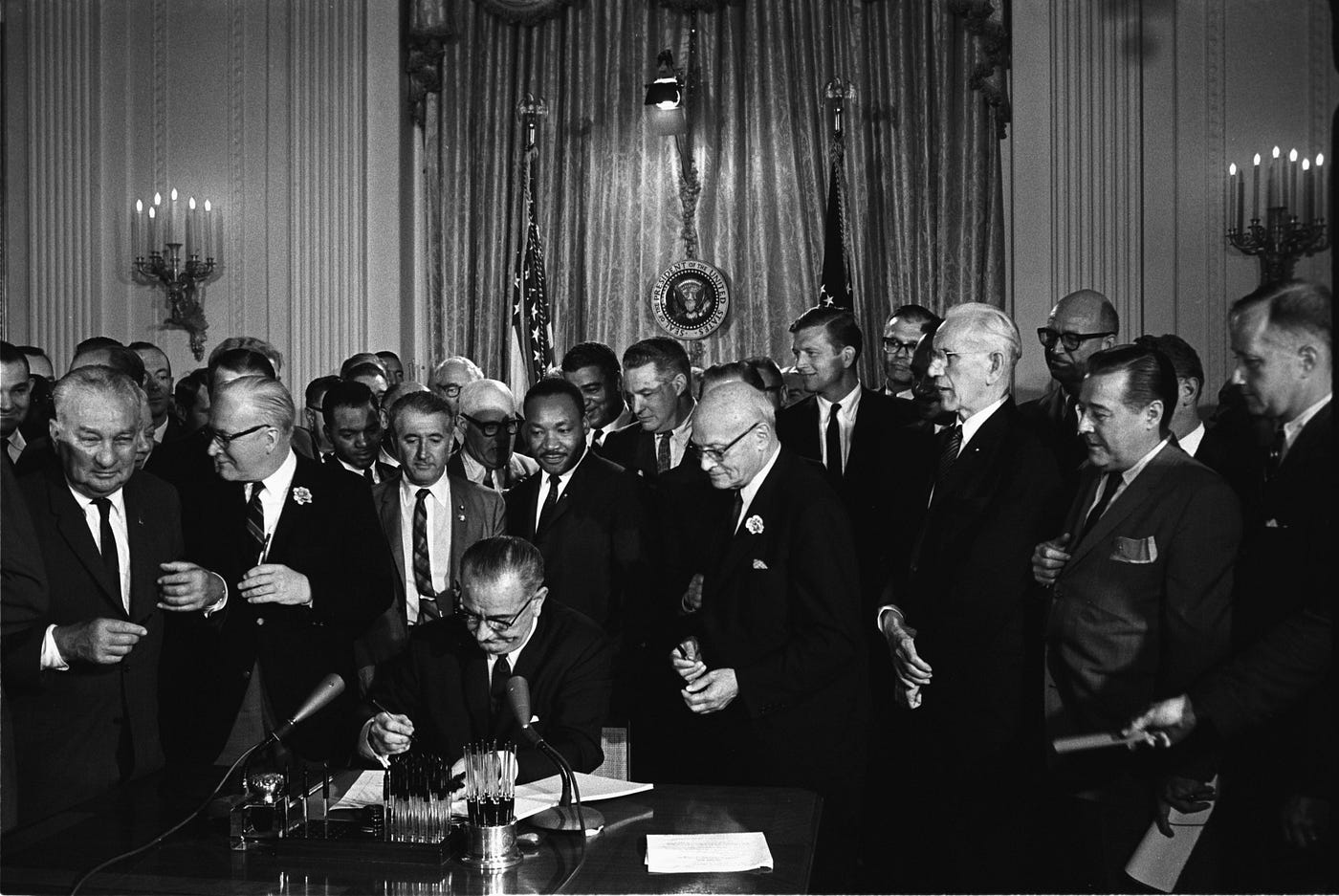
Senator Ted Cruz recently defended his party's racism by substantially maxim, Well, Democrats are racist, too!
His prove: Dixiecrats, the keepers of Jim Crow. Simply the Dixiecrats largely left the Democrats to become Republicans.
Hither'due south why that happened.
1. Republicans and Democrats afterwards the Civil State of war
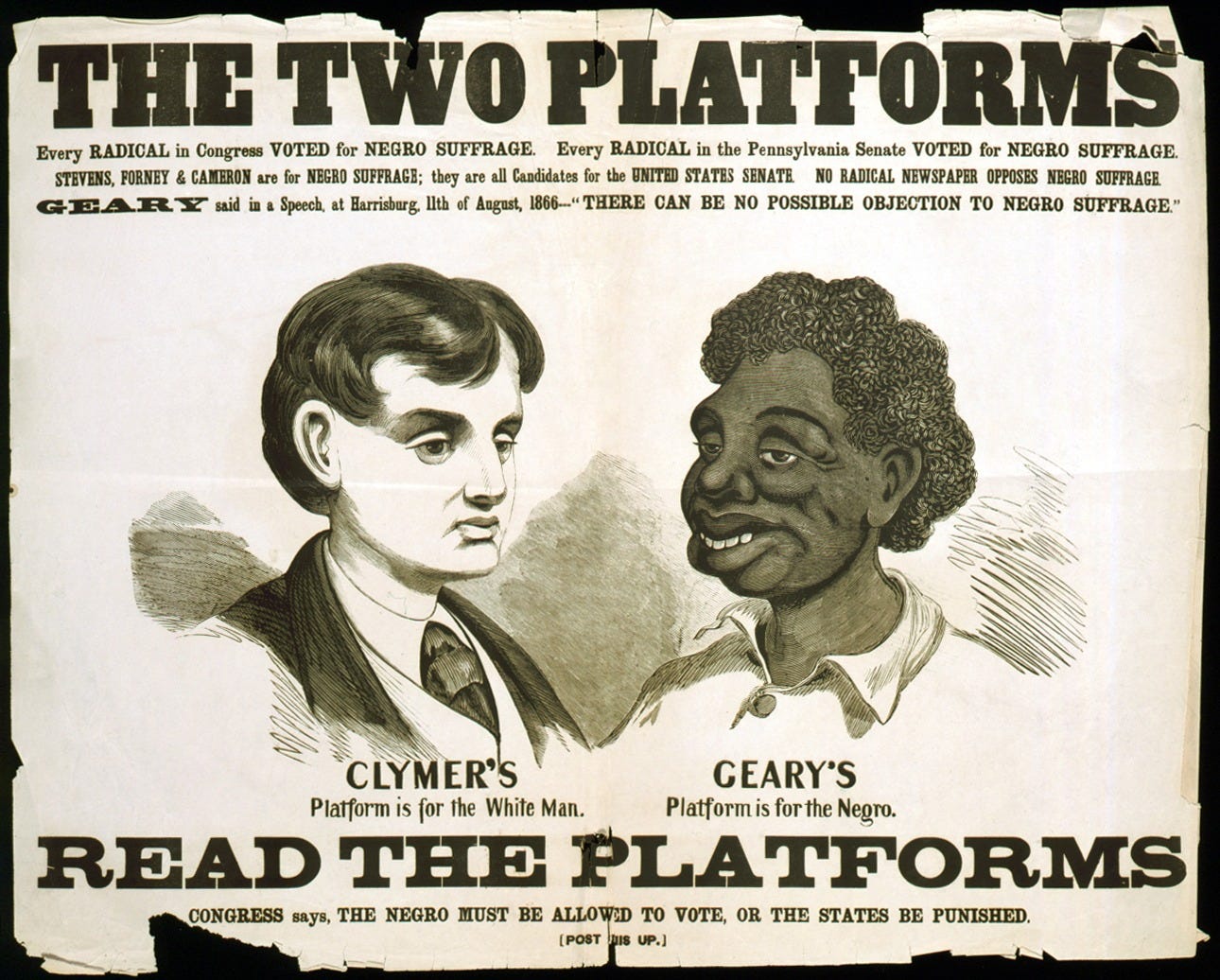
It'south truthful that many of the first Ku Klux Klan members were Democrats. It's also true that the early Democratic Party opposed civil rights. But there's more to information technology.
The Civil War-era GOP wasn't that into ceremonious rights. They were more interested in punishing the South for seceding, and monopolizing the new black vote. (More on this in a futurity post.)
In whatever event, by the 1890s, Republicans had begun to distance themselves from civil rights.
2. Democrats v Republicans on Jim Crow
Segregation and Jim Crow lasted for 100 years after the end of the Civil War.
During this time, African Americans were largely disenfranchised. There was no African-American voting bloc. Neither party pursued ceremonious rights policies — it wasn't worth their while.
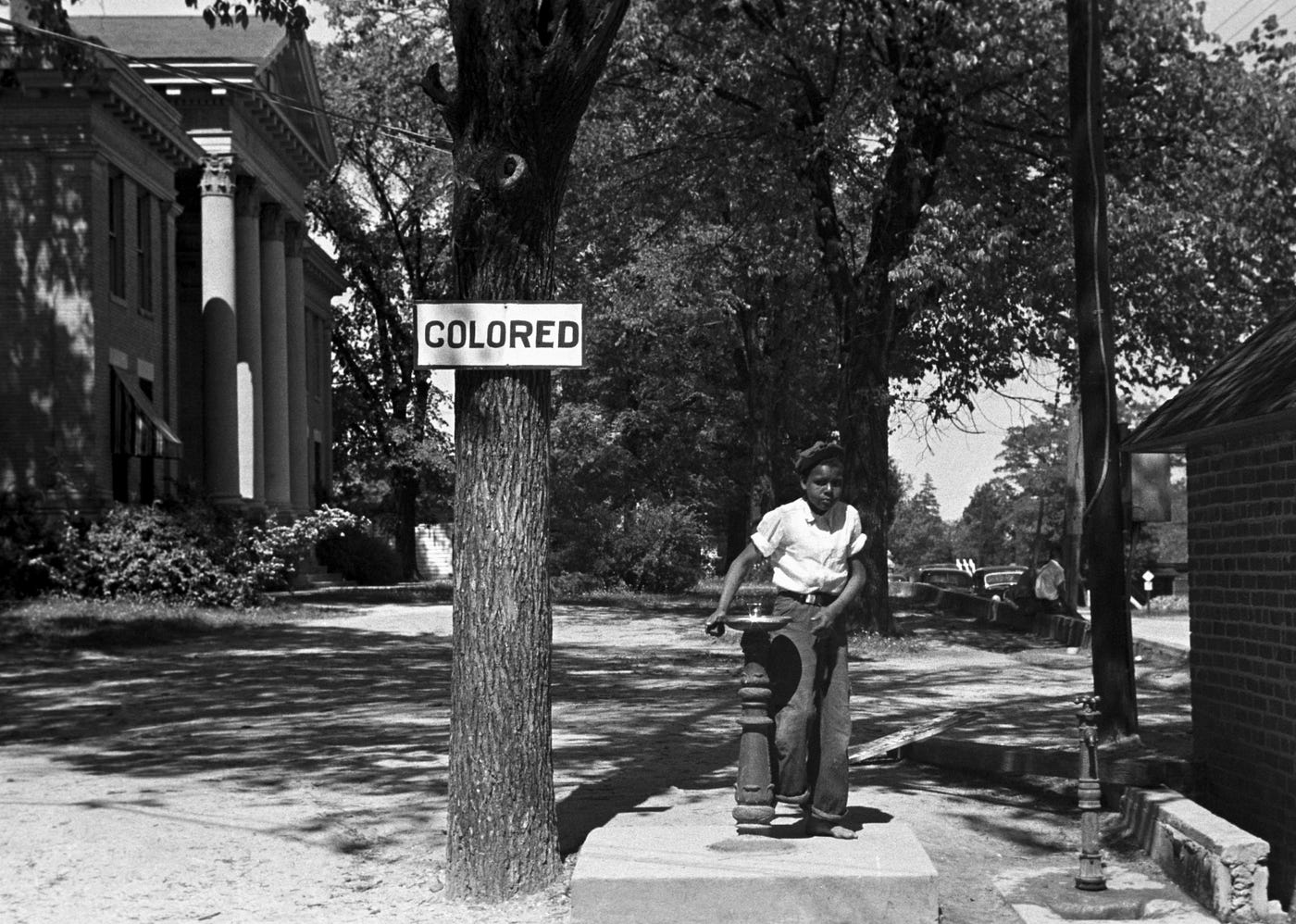
Democrats dominated Southern politics throughout the Jim Crow Era. It's fair to say that Democratic governors and legislatures are responsible for creating and upholding white supremacist policies.
Southern Democrats were truly awful.
3. President Truman Integrates the Troops: 1948
Fast forward nigh sixty shitty years. Black people are nonetheless living in segregation nether Jim Crow. Nonetheless, African Americans agree to serve in Earth War II.
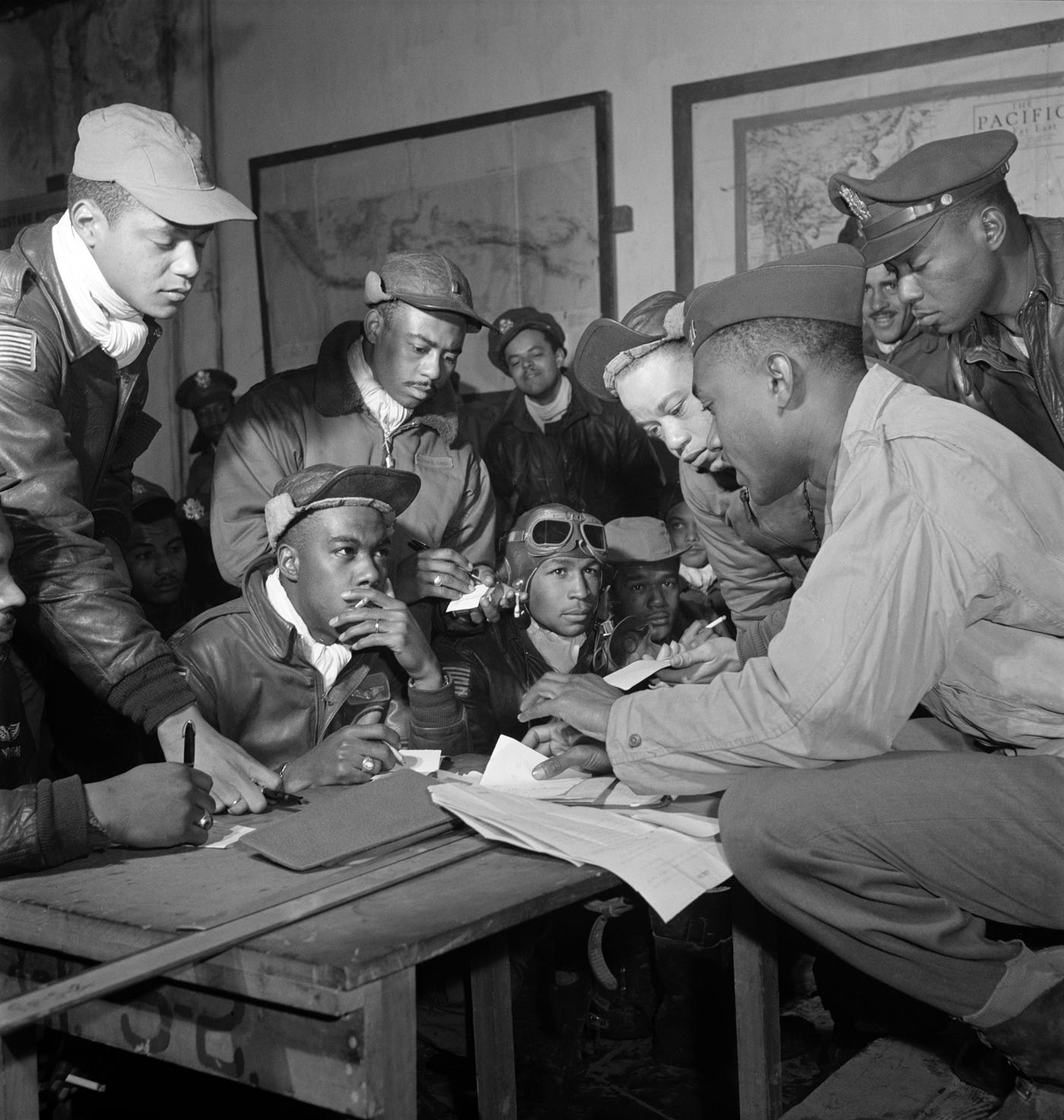
At war'south end, President Harry Truman, a Democrat, used an Executive Society to integrate the troops. (That gild was not executed until 1963, still because: racism.)
These racist Southern Democrats got so mad that their primary goblin, Senator Strom Thurmond, decided to run for President confronting Truman. They called themselves the Dixiecrats.
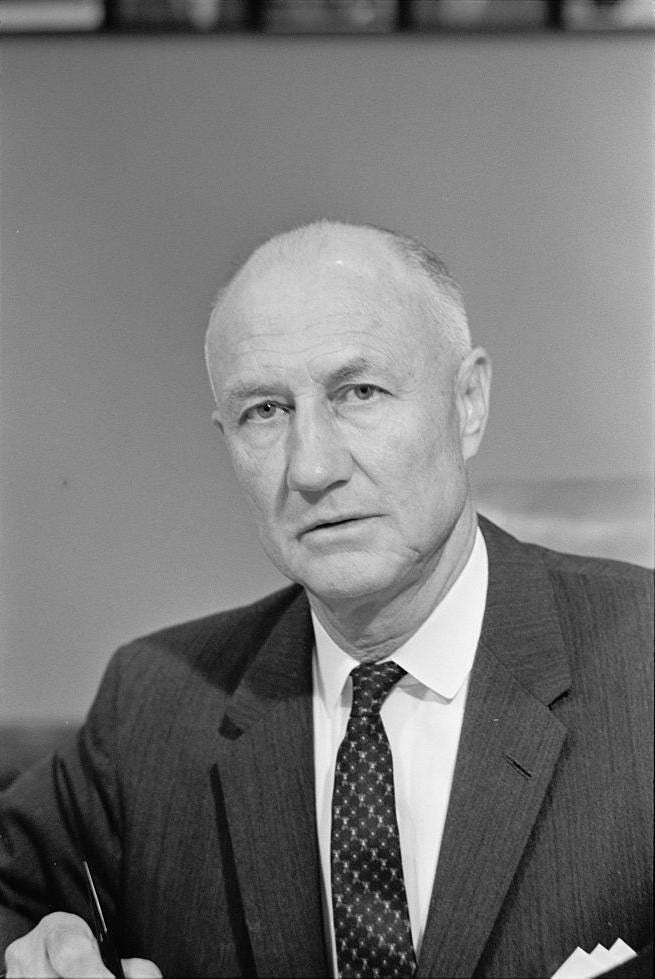
Of form, he lost. Thurmond remained a Democrat until 1964. He continued to oppose civil rights equally a Democrat. He gave the longest filibuster in Senate history — speaking for 24 hours confronting the 1957 Civil Rights Act.
4. The Party of Kennedy v the Party of Nixon in the Ceremonious Rights Era
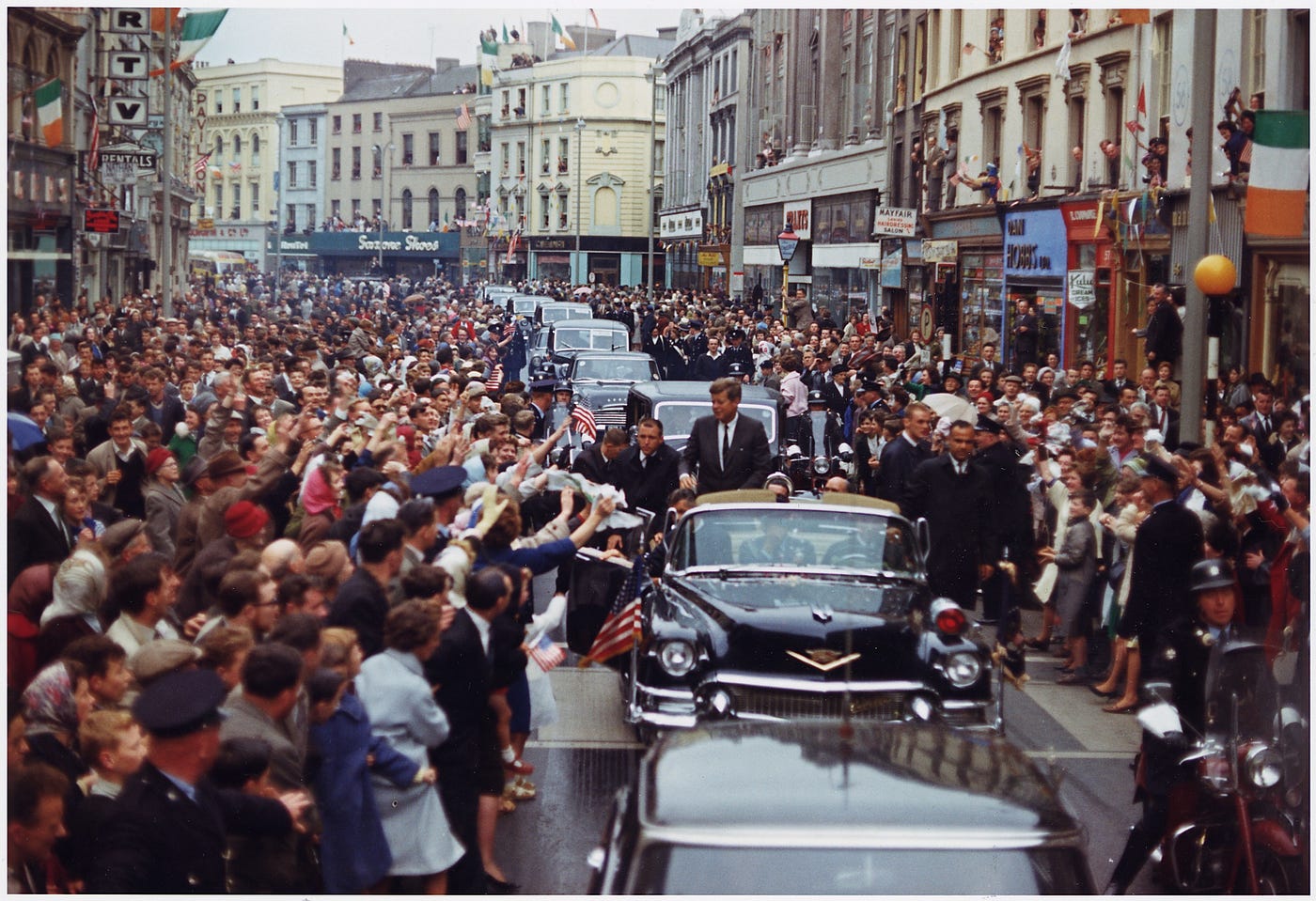
Two things started happening at the same time:
- Racist Democrats were getting antsy
- Neither party could afford to ignore civil rights anymore
In 1960 Kennedy defeated Nixon. At the time of his ballot, the both parties unevenly supported civil rights. But President Kennedy decided to movement forward.
After Kennedy'south bump-off in 1963, Johnson continued Kennedy's civil rights focus.
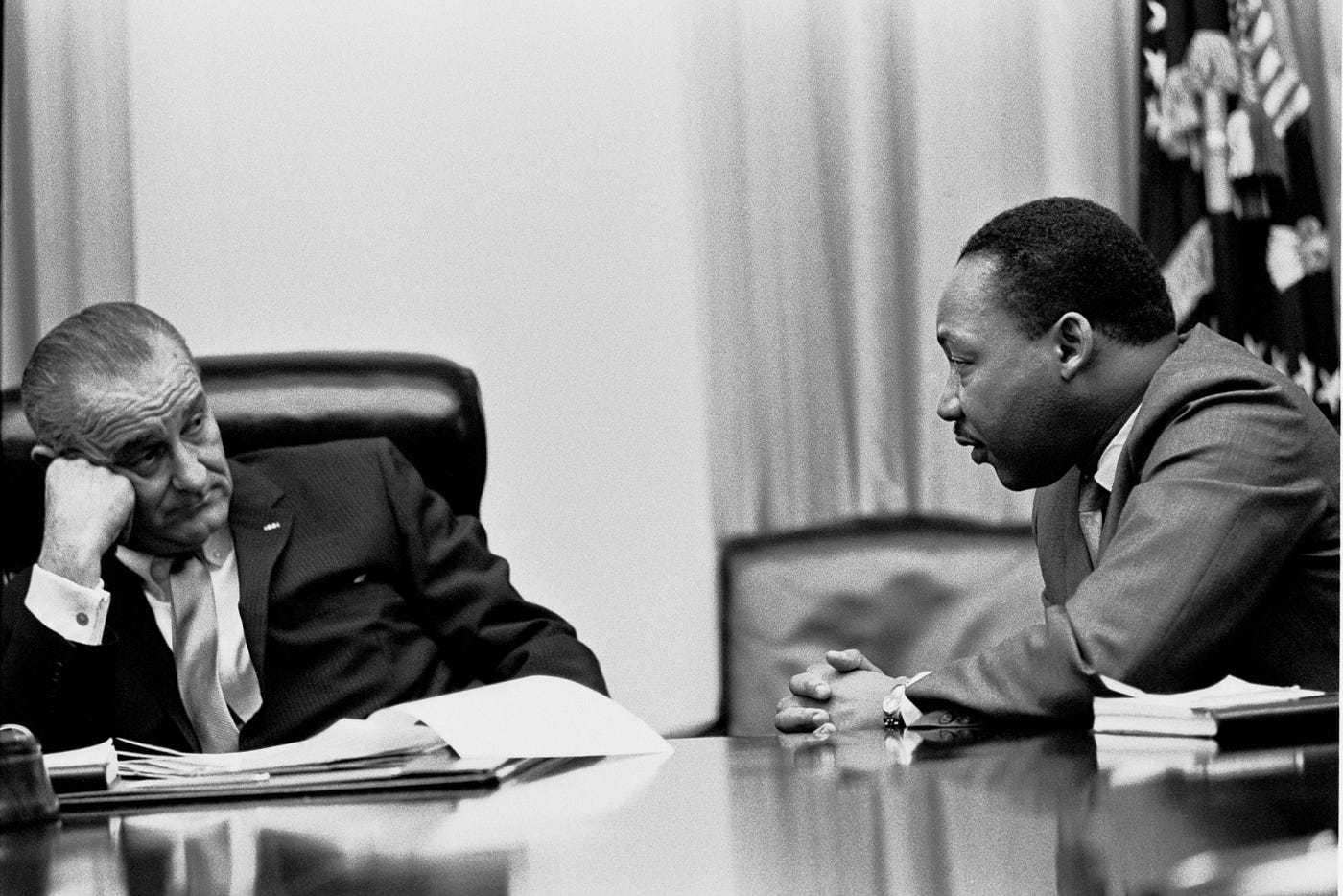
Every bit you can imagine, that did not sit particularly well with most Southern Democrats. This is when Strom Thurmond flew the coop for expert.
In fact, a greater pct of Congressional Republicans voted for the Civil Rights Human activity of 1964 than did Democrats. Support for the Act followed geographic, not political party, lines.
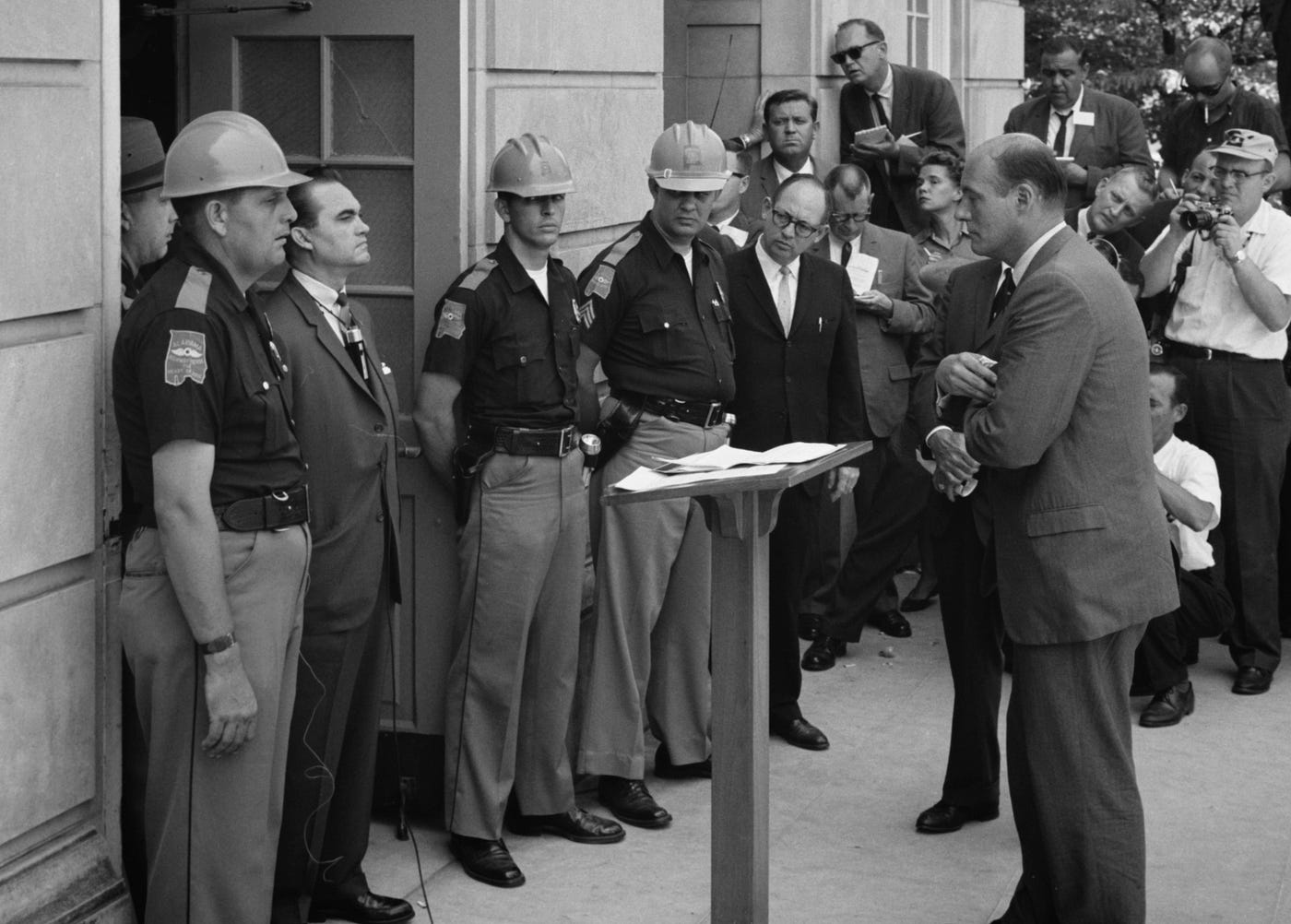
Soon afterward, the Republicans came up with their Southern Strategy — a plan to woo white Southern voters to the party for the 1968 ballot.
The Kennedy and Johnson administrations had avant-garde ceremonious rights, largely through national legislation and direct executive actions. And then, the Southern Strategy was the contrary — states' rights and no integration.
Every bit in the Ceremonious War, the concepts of "states' rights" and "tradition," were codes for "maintaining white supremacy."
Starting with Thurmond in 1964, and continuing throughout the Johnson and Nixon administrations, Dixiecrats left the Democrats for the Republicans.
5. Those Racist Dixiecrats Create Mainstream Republican Policy
By the time they left the Democrats, Dixiecrats Thurmond and Representative (later Senator) Jesse Helms were on the fringes of their party.
Simply their ideas formed modernistic GOP's core platform.
In a campaign ad, Democrat-turned-Republican Jesse Helms said "racial quotas" prevented white people from getting jobs. The lie of racial quotas persists in the GOP'south rejection of affirmative action. Racial quotas are illegal.
Take the idea of "special interests." Here's Helms' view, as a Republican:
"Are ceremonious rights but for Negroes? While women in Washington who have been raped and mugged on the streets in wide daylight have experienced the most revolting sort of violation of their civil rights. The hundreds of others who have had their purses snatched by Negro hoodlums may understandably insist that their correct to walk the street unmolested was violated." — Television receiver commentary, 1963, quoted in The Charlotte Observer.
But you would think that Ted Cruz would have a clearer understanding of the connections between the Dixiecrats and the Republican Party.
He loves Jesse Helms.
Looking to practice your part? One fashion to become involved is to read the Indivisible Guide , which is written past onetime congressional staffers and is loaded with all-time practices for making Congress mind. Or follow this publication, connect with us on Twitter , and join us on Facebook .


Source: https://medium.com/everyvote/how-the-republicans-and-democrats-switched-on-civil-rights-in-5-racist-steps-92c1b41480b
Posted by: strouponer1953.blogspot.com
0 Response to "What Event Changed The Republican Party's Position On Civil Service Reform?"
Post a Comment